A remarkable discovery has recently been made in Serbia, where a colossal creature, suspected to be a new species, was spotted inhabiting an underground cavern.
This unexpected finding has caused a stir among scientists and captured the attention of the public.

Just like the accidental discovery of penicillin, where Alexander Fleming found mold growing on a petri dish he had left on his desk after a vacation, something similar happened to a group of researchers in Serbia.
They had originally gone there to search for known types of Vitrea snails but unexpectedly stumbled upon an entirely new species of these shell-bearing creatures.
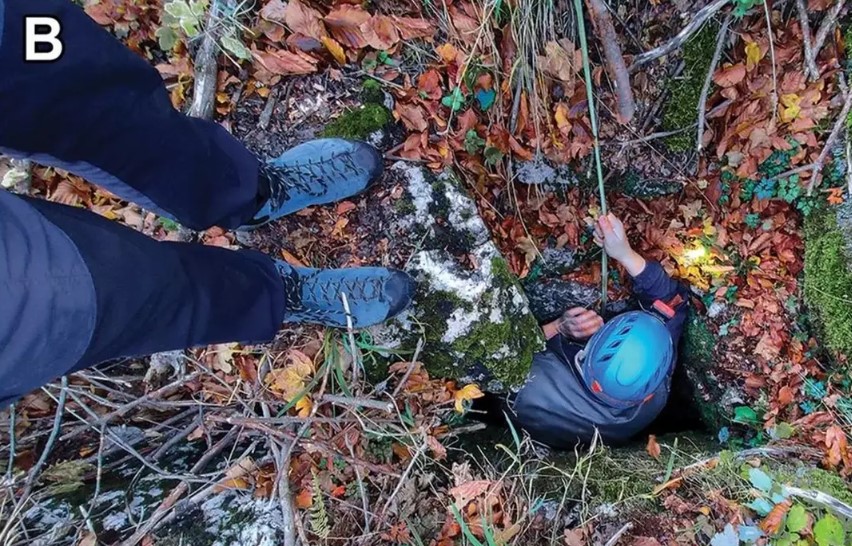
The discovery occurred during an exploration led by a group of scientists who initially set out to study known species of Vitrea snails in Serbia.
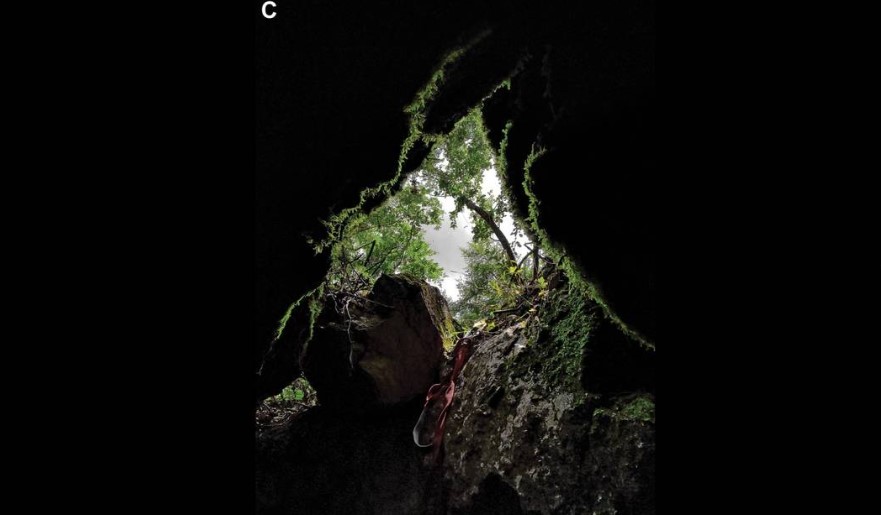
However, their mission took an unexpected turn when one of the scientists ventured into the depths of Mount Devica, a remote location in eastern Serbia known for its cavernous formations.
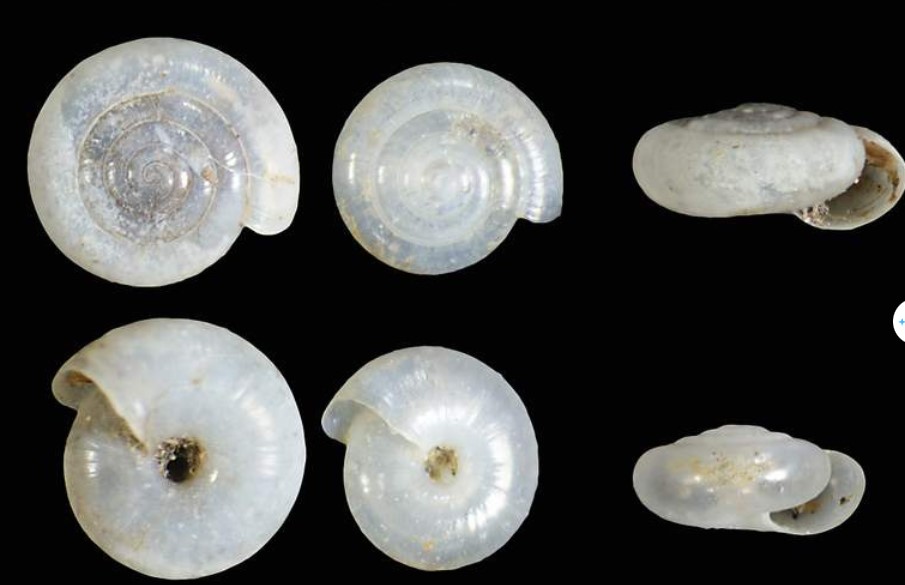
In the underground cave, the brave scientist saw something incredible, which was a huge creature moving on a wet rock.
The creature, later identified as a new species of snail, has been named Vitrea Virgo, also known as the Mount Devica crystal snail.
Unlike the previously known Vitrea snails, which are relatively small and elusive, this newfound species boasts an impressive width of over 5 millimeters.
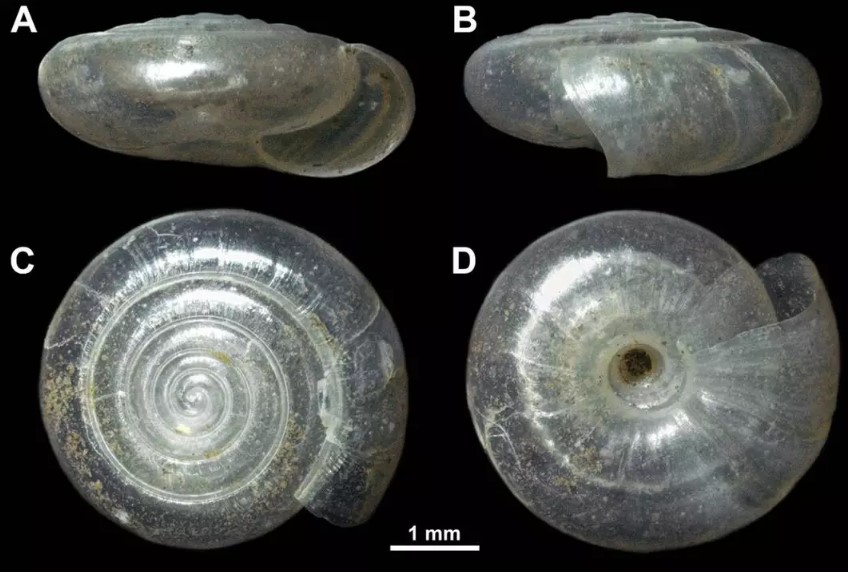
The creature has a see-through shell that is tightly twisted, and its bottom part is nearly flat, which is quite interesting.
They found that it resides in a shallow natural pit within the limestone environment, several meters deep.
The live snails were observed crawling on and beneath numerous wet rocks, primarily in the darker sections of the pit.
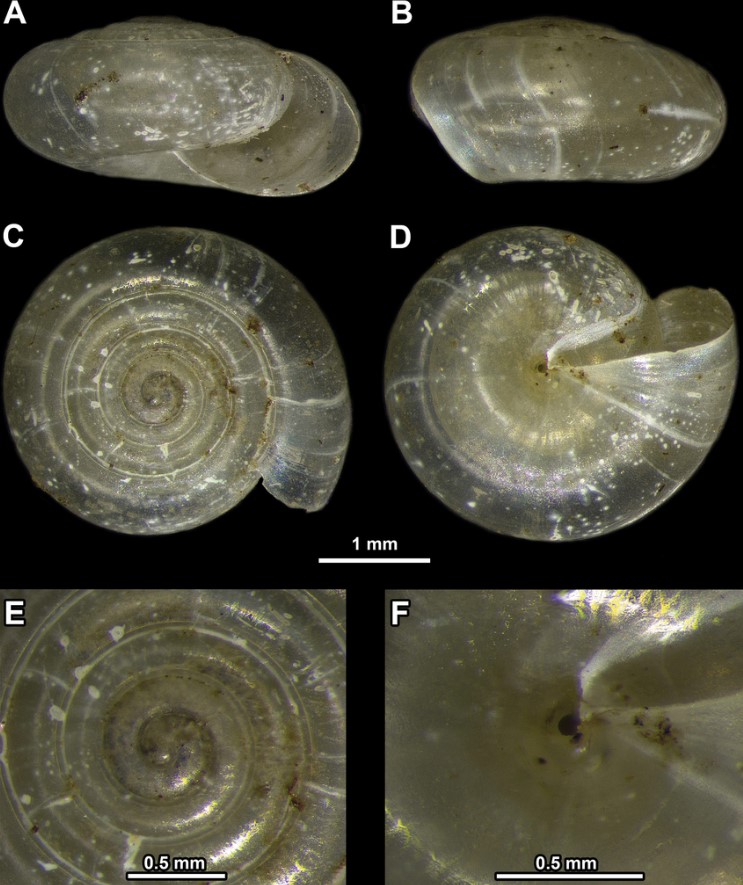
Interestingly, the cavern where the discovery took place was just one of the 30 sites visited by the researchers during their extensive wildlife survey between 2021 and 2023.
Vitrea Virgo is dubbed one of the largest representatives of the Vitrea genus in Serbia.
Furthermore, the name given to this species, "Virgo," derives from the Serbian word "Devica," meaning "a virgin," symbolizing the connection between its discovery and the location of Mount Devica.
The study also mentioned that Vitrea pygmaea, a previously known type of Vitrea snail, was discovered in Serbia for the first time.
Normally, this species is found in places like Turkmenistan, Northern Iran, Iraq, the Caucasus region, Crimea, Turkey, and Bulgaria.