Scientists have issued a warning that the Gulf Stream, also known as the Atlantic Meridional Overturning Circulation (AMOC), could collapse as early as 2025, leading to a severe deep freeze.
The Gulf Stream is a system of ocean currents that carries warm water toward the Pole, where it cools and sinks into the depths of the ocean.
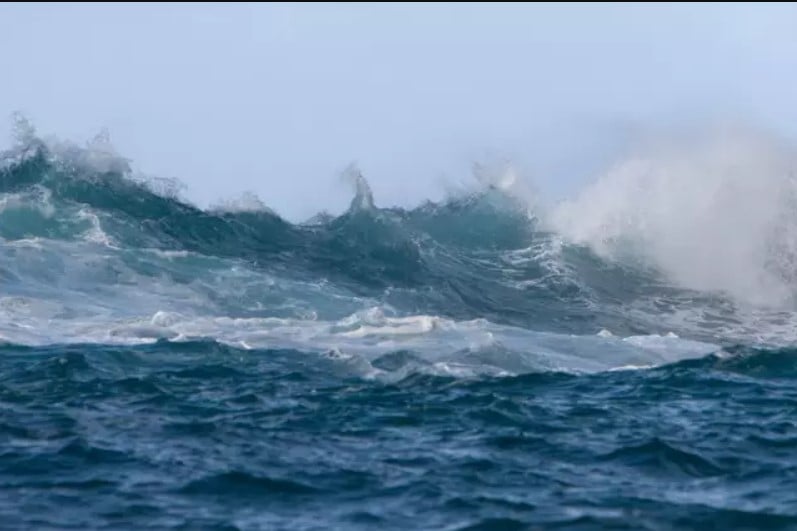
This constant flow of warm water is crucial for maintaining the warmer climates found in Northern Europe compared to other regions at similar latitudes.
Previous studies have already indicated that the Gulf Stream's power is diminishing.
A study published last year suggested that the collapse could occur anytime between 2025 and 2095 if global carbon emissions are not reduced.
However, some scientists criticized this study, highlighting the uncertainties in the underlying data, which make it difficult to provide a reliable estimate for the collapse.
A recent study conducted by the University of Utrecht and published in the journal Science Advances has identified early warning signals indicating that the AMOC is shifting course.
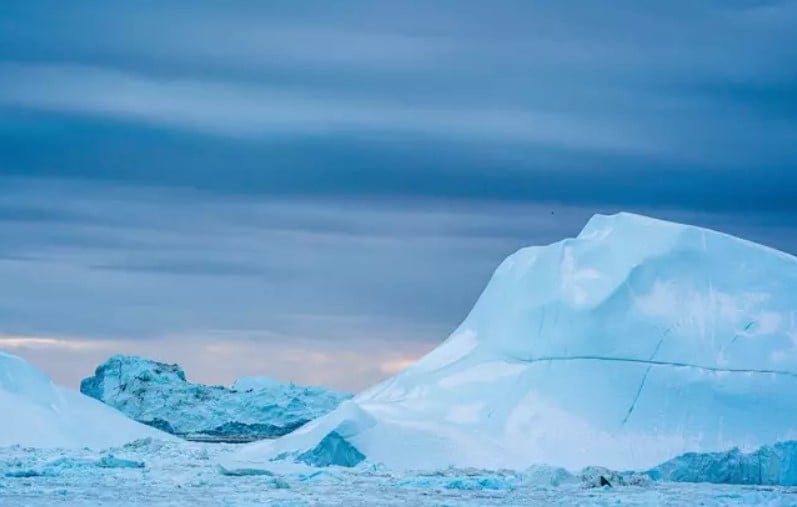
René van Westen, the main researcher of the study from Utrecht University, was surprised by how quickly this tipping point is approaching and warned about the severe consequences it could bring.
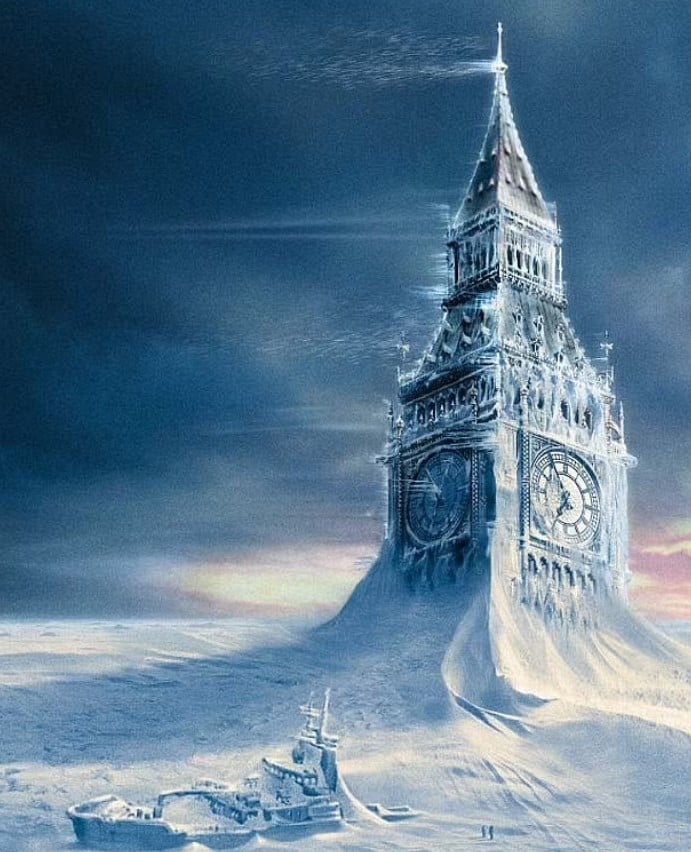
One of the most noticeable effects would be a drop in temperatures, leading to colder weather in parts of Europe such as the UK and Scandinavia.
The disparity in climate between regions along similar longitudes, such as the UK and Canada, would become more apparent.
Furthermore, the collapse of the Gulf Stream could impact sea levels, possibly causing a rise of up to one meter in certain parts of the Atlantic.
This would have severe consequences for coastal cities and low-lying areas.
Additionally, there could be repercussions for the Amazon rainforest, with the potential disruption of wet and dry seasons, causing havoc in the region.
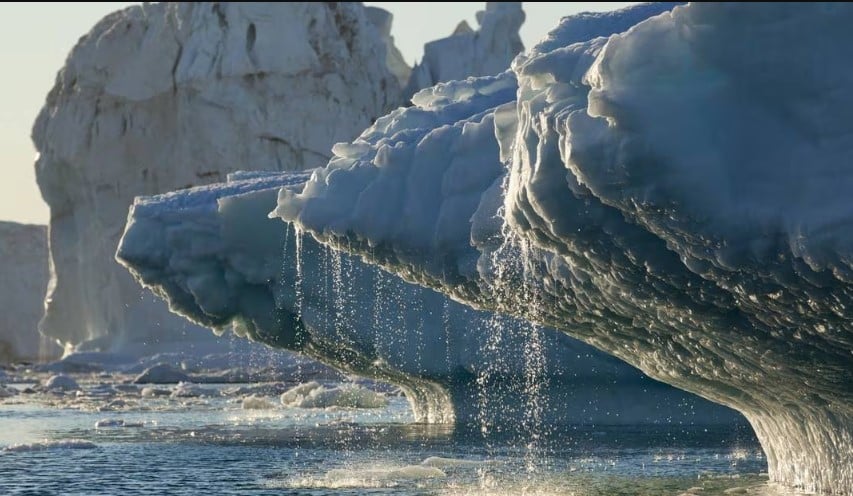
While the exact timing of the collapse remains uncertain, scientists agree that the trajectory is concerning.
Van Westen emphasized the need to take climate change more seriously and acknowledged that we are moving towards this potential collapse.