In an era dominated by point-of-sale systems and iPads, cash registers have been slowly being replaced in many different industries over the past few years.
However, there are still some objections, a prime example being cash-only craft cocktail bars. A deep dive into the history of cash registers will reveal their humble origins as basic adding machines, and subsequent advancements that revolutionized the way transactions are recorded.
Early versions of cash registers had no receipts and were entirely mechanical. Employees are responsible for manually executing each transaction, opening cash register drawers, and ringing a bell to notify managers when the total number of keystrokes is pressed.
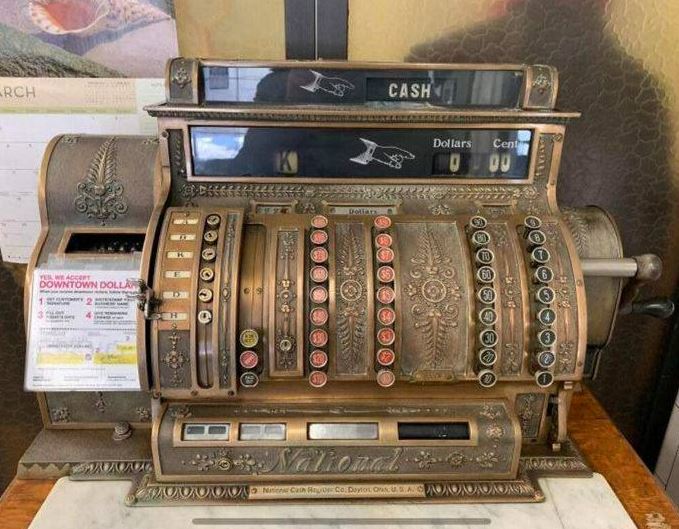
These primitive machines were essentially basic adding machines without the features and functionality found in modern point-of-sale systems.
Implementing odd pricing (such as $X.49 or $X.99) can stem from the change returns process.
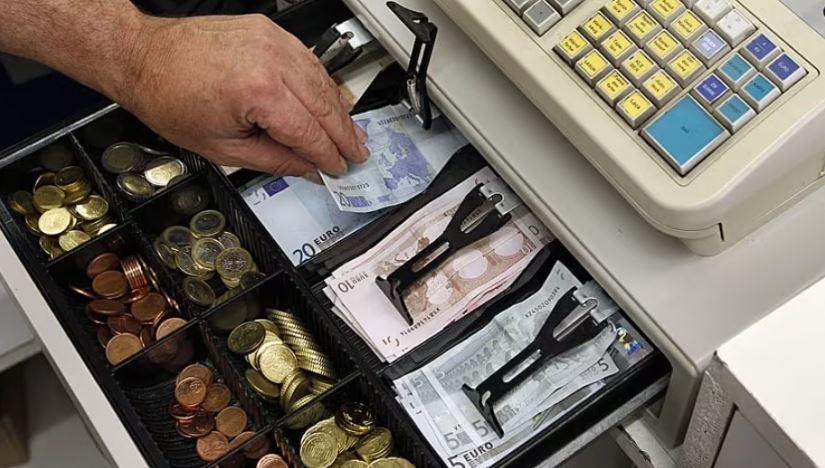
According to author Bill Bryson, retail pricing came about to ensure that sales were clearly announced by cashiers who had to open drawers to give change. This strategy adds an extra layer of responsibility to the trading process.
The cash register industry experienced significant growth when James Ritty, inventor of the early cash register, sold his business interests to Jacob H. Eckert.
Eckert was a china and glass salesman who founded the National Manufacturing Company. In 1884, Eckert sold the company to John H. Patterson, who renamed the company the National Cash Register Company.
Under Patterson's leadership, the cash register made significant improvements. Notably, scrolls were introduced to record sales transactions, serve as internal journals for bookkeeping purposes and provide receipts for external bookkeeping.
These enhancements are designed to simplify record keeping, improve fraud protection and increase the overall efficiency of sales operations.
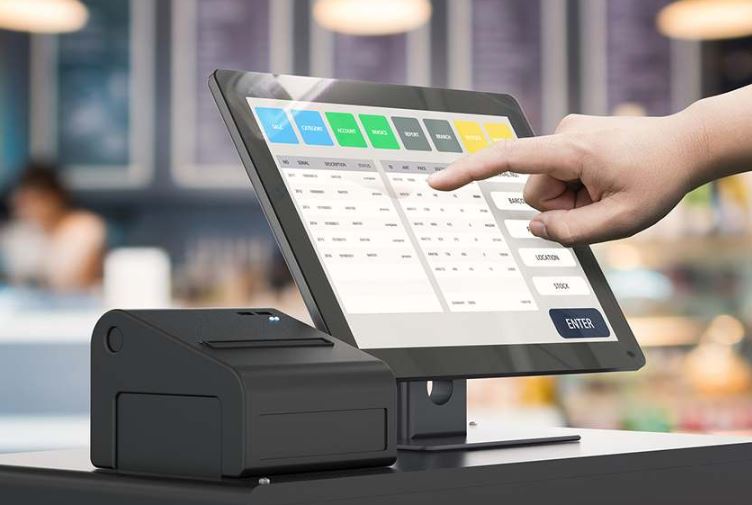
The continued decline of cash registers in favor of point-of-sale systems and iPads illustrates the evolution of technology in the retail industry. Although their number has dwindled, they can still be found in cash-only establishments, a reminder of the industry's historical roots.