In a groundbreaking study conducted by researchers from the University of Glasgow, it was discovered that individuals can accurately identify whether someone is poor or rich simply by examining the shape of their face.
This research shows that wealth cannot be determined solely by factors such as attire, occupation, or place of residence.
Besides, the findings suggest that facial features play a significant role in determining whether someone is poor or rich.
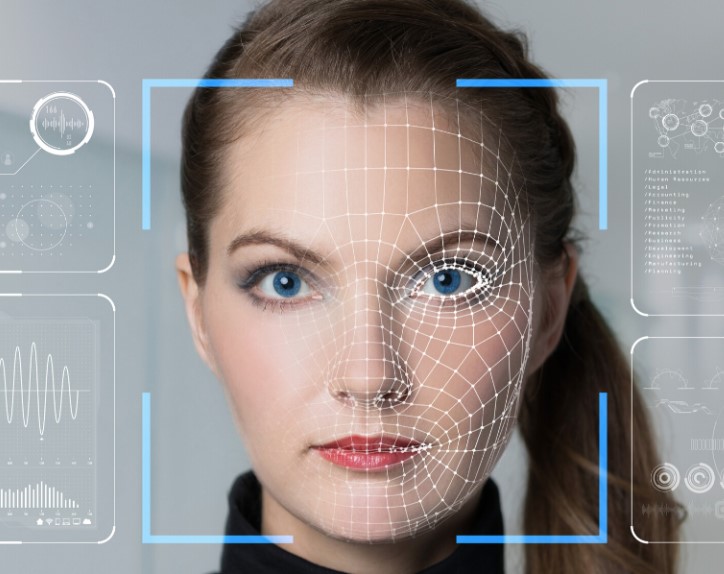
The study was based on the data of thirty participants, all young, white, native English speakers, and they are in an average age of 22.
Each participant was provided with 3D models of various faces. They have to evaluate the wealth and social standing of the individuals depicted, as well as assess their competence, warmth, dominance, and trustworthiness.

Surprisingly, the results revealed a strong correlation between facial features and judgments of wealth.
According to the results, faces that were considered "rich" feature distinct characteristics, such as chiseled facial structure, raised eyebrows, and rosy cheeks.
These features were not only related to wealth but were also seen as a feeling of trustworthiness.
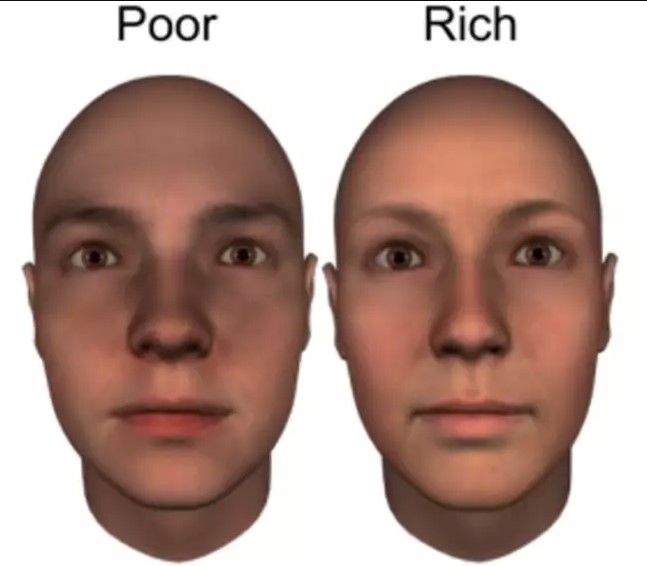
In contrast, faces displayed lowered eyebrows, shorter chins, downturned mouths, and cooler skin tones that were considered "poor" and had lower social status. These features make individuals cold and untrustworthy.
Additionally, the research indicated that faces that were "poor-looking" had features resembling those of infants, with rounder faces and softer features.
In contrast, "rich" faces were characterized by longer and more defined features, including protruding noses, upturned "smiley" mouths, and high foreheads. These features were said to indicate dominance, capability, and honesty.

Professor Rachael Jack, another researcher involved in the study, emphasized the significance of these findings in understanding how specific facial features contribute to social class perceptions.
She suggested that these insights could not only improve our understanding of social perception theories but also provide some methods to prevent biased perceptions.