Good Friday, a Christian holiday commemorating the crucifixion of Jesus Christ, falls on March 29th this year.
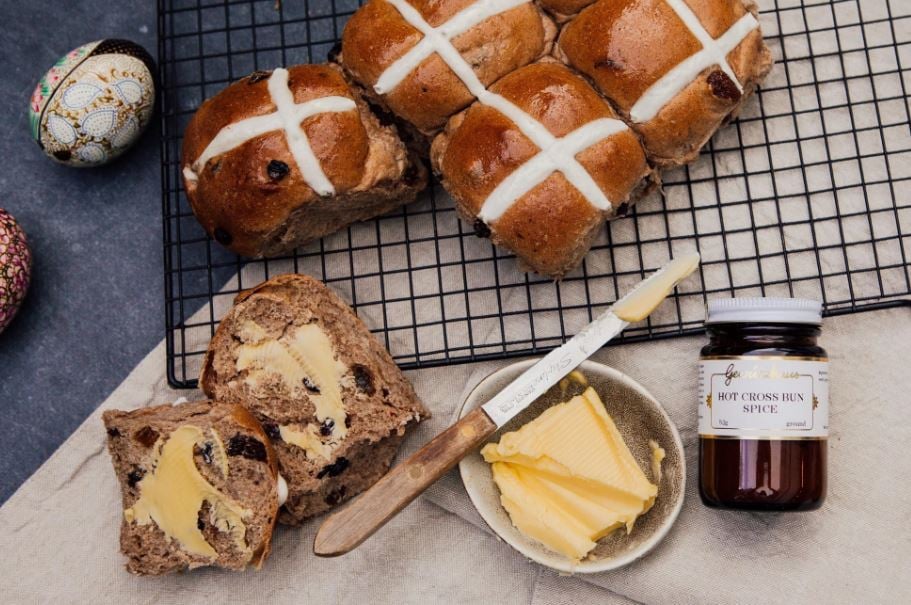
A tradition tied to this day is the consumption of hot cross buns, but what's the reason behind it?
Leading up to Easter, Christians observe a period of fasting and sacrifice known as Lent.
Hot cross buns, typically enjoyed for breakfast or dessert, are seen as a celebratory treat signifying the conclusion of Lent.
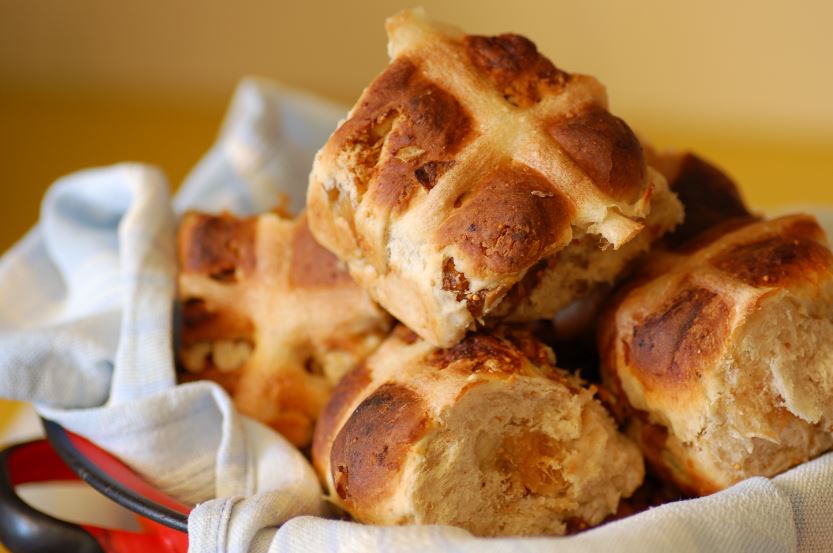
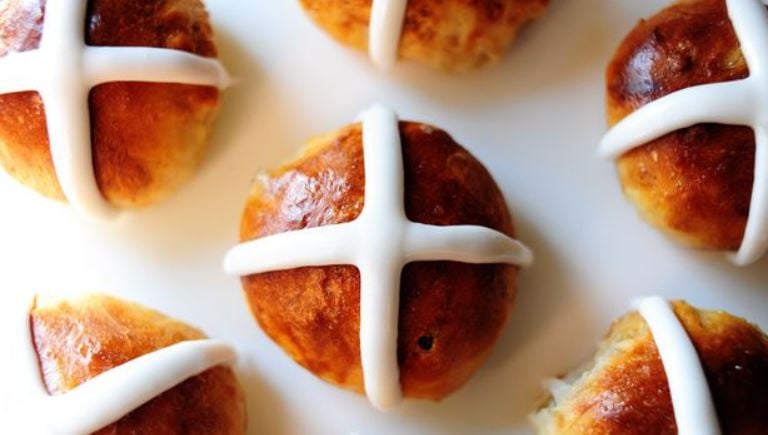
The defining characteristic of a hot cross bun is the cross adorning its top, made from a simple flour and water paste.

This cross symbolizes the crucifixion of Jesus, directly linking the pastry to Easter and Christian faith.
The spices used in hot cross buns are believed to represent the embalming spices used on Jesus' body after his death.
The tradition of eating hot cross buns on Good Friday extends to many parts of the world.
Beyond their religious symbolism, hot cross buns hold interesting folklore. One tradition suggests that buns baked on Good Friday will remain fresh, free from mold, for an entire year.
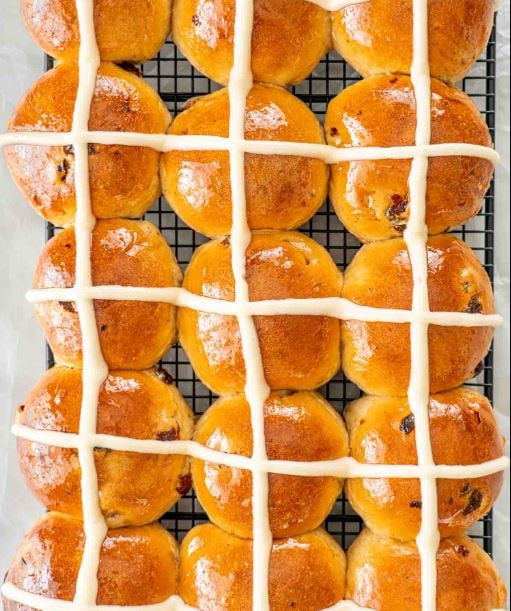
Another belief involves saving a bun from the Good Friday batch for anyone in the family who might fall ill during the year.
A small piece of this special bun would be broken off and offered to the sick in hopes of a cure, highlighting the buns' perceived holy properties.